
The Room That Beats Your AC Every Afternoon
That one hot room isn't an AC problem. See how sun angle, frame material and glass should change on every side of an Arizona home.
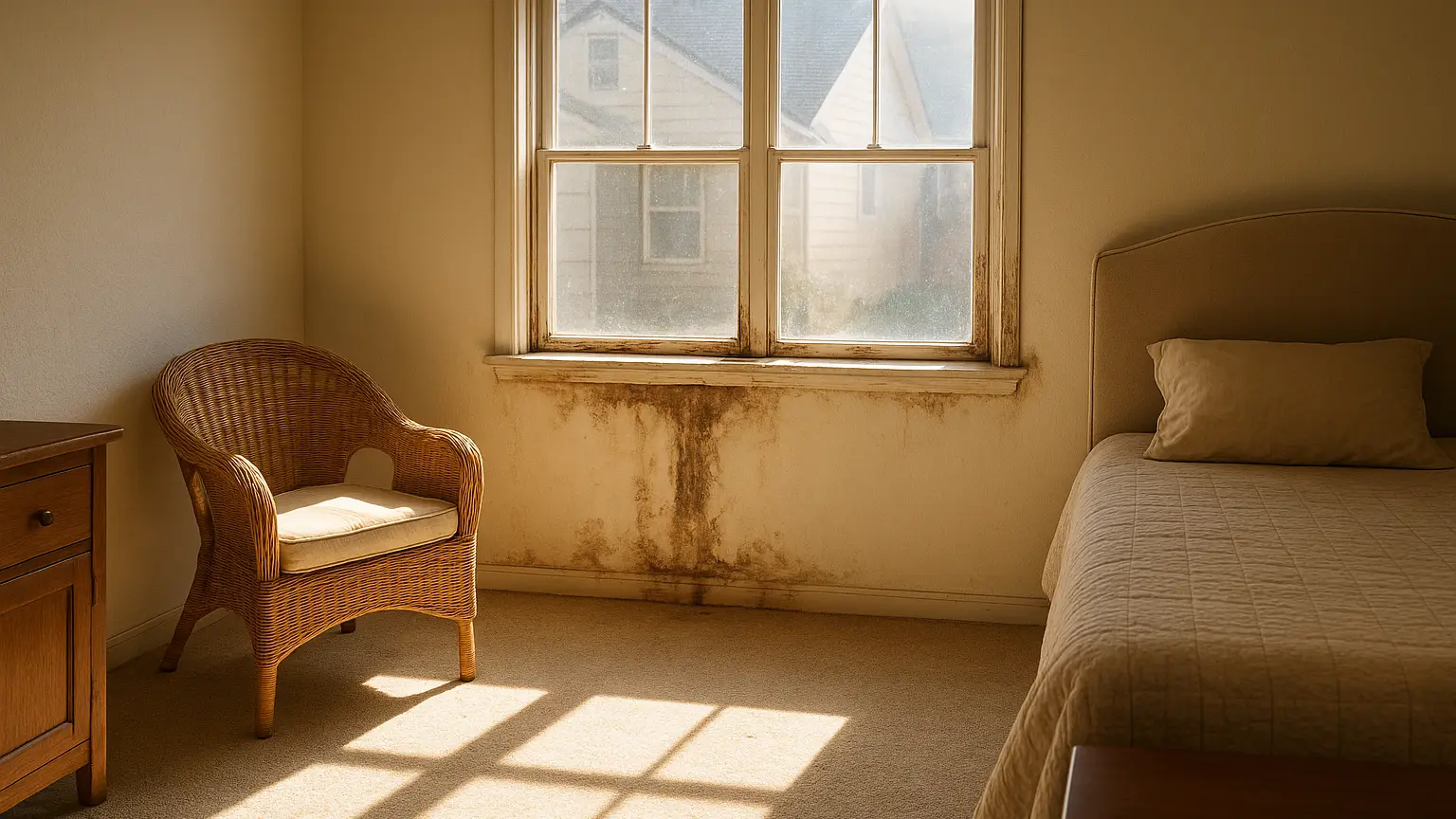
Almost every home in Phoenix and Tucson has one. The bonus room. The back bedroom. The office above the garage. It feels fine at 9 a.m. and turns into a bread oven by 5 p.m. So you close the vents in other rooms. You buy a fan. You have the AC checked twice, and the tech tells you the system is running fine.
The system probably is fine. The room is pointed west.
Here is what makes a west wall so brutal in the desert. In the morning, the sun sits high and keeps moving. By late afternoon it drops low and shines almost straight through the glass instead of passing over the top of it. Eaves, patio covers, and second story overhangs stop doing their job at exactly that moment. That low angle lines up with the hottest hours of the day, when your roof, stucco, and block wall have already been soaking up heat since sunrise. Your air conditioner is working its hardest right when the sun gets its cleanest shot at you.
This also cuts the other way outside the house. Some reflective glass packages bounce heat back out toward the yard, which is worth understanding before glass coating mistake melting shows up on your covered patio.
The 5 p.m. Test You Can Run Today
Before you spend money on anything, get proof. This takes about five minutes and tells you more than a guess ever will.
- Touch the inside of the glass at 5 p.m. If it is warm or hot to the palm, heat is pouring through the window, not sneaking under the door.
- Point an infrared thermometer at the floor two feet from the window, then at the floor in the middle of the room. A gap of 8 to 15 degrees means solar gain, not weak airflow.
- Hold your hand at the supply vent. Air in the mid 50s means the AC is doing its part and the window is the leak.
- Look for fading. Bleached rug edges, chalky leather, and cracked blind slats all point to the same wall.
- Step outside at 5:30 p.m. and see how much of that window sits in raw, direct sun with no shade at all.
When the vent air is cold and the glass is hot, no thermostat setting will save that room. The fix lives in the wall, and it starts with the fact that most homes were built with one window spec copied to all four sides.
Three Choices Stacked Inside One Window
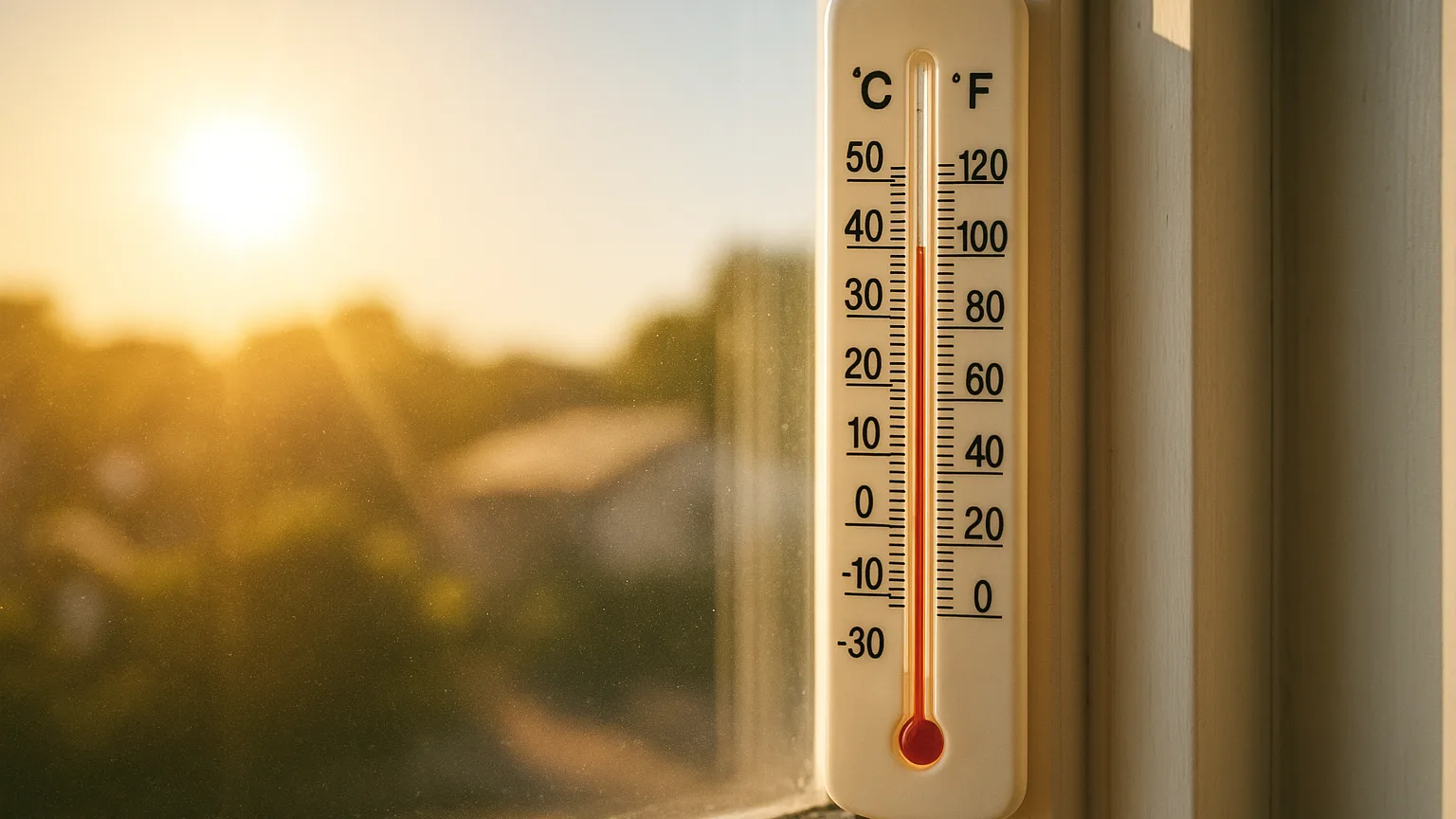
A window is not a single product. It is three separate decisions bundled together, and each one behaves differently depending on the direction it faces.
The frame decides how much heat travels in around the edges. Old single pane aluminum frames move heat like a metal skillet handle. Vinyl and fiberglass slow that transfer down hard. On a shaded north wall, the frame material barely changes your comfort. On a bare west wall in July, it is the difference between a window edge you can touch and one you cannot.
The glass package decides how much sun energy gets in. Two numbers matter. Solar Heat Gain Coefficient, or SHGC, measures how much of the sun's heat passes through, on a scale from 0 to 1. Lower is better in Arizona. U-factor measures how much heat leaks through by temperature difference alone. Lower is better there too. Most homeowners are sold on U-factor because that is the number in cold climate ads. In the desert, SHGC does the heavy lifting.
The style and size decide how much glass you have and whether you can open it. A wide slider on a west wall gives the sun more surface to work with than two casements of the same rough opening.
West and Southwest Walls
This is where you spend your money. Ask for the lowest SHGC package the manufacturer offers, usually a triple silver Low-E coating, paired with a vinyl or fiberglass frame and a warm edge spacer. Smaller glass area helps. Operable styles help too, because a west bedroom often cools fastest with 20 minutes of cross ventilation after sundown.
“On a west wall in Chandler, we look at solar heat gain first and everything else second. A low SHGC package with a good spacer does more for that room than any film we could add later,” says Marisol Vega, senior project consultant at Affordable Windows.
South Facing Walls
South windows take a long, steady beating from mid morning to mid afternoon, but the sun stays higher in the sky. Overhangs actually work here. A moderate SHGC package plus a two foot eave often outperforms an expensive glass upgrade with no shade at all. Check your overhang before you spec the glass.
East Facing Walls
East rooms heat early and then coast. A breakfast nook can hit 85 degrees by 8 a.m. and settle down by noon. Low SHGC glass still pays off, but you can prioritize style, view, and ventilation more freely than you can on the west side.
North Facing Walls
North glass gets soft, indirect light almost all year. This is where you stop paying for the premium solar package and start paying for the things you actually notice: bigger views, cleaner sightlines, easier operation, and a frame that stays quiet in the wind.
Pick Per Room, Not Per House
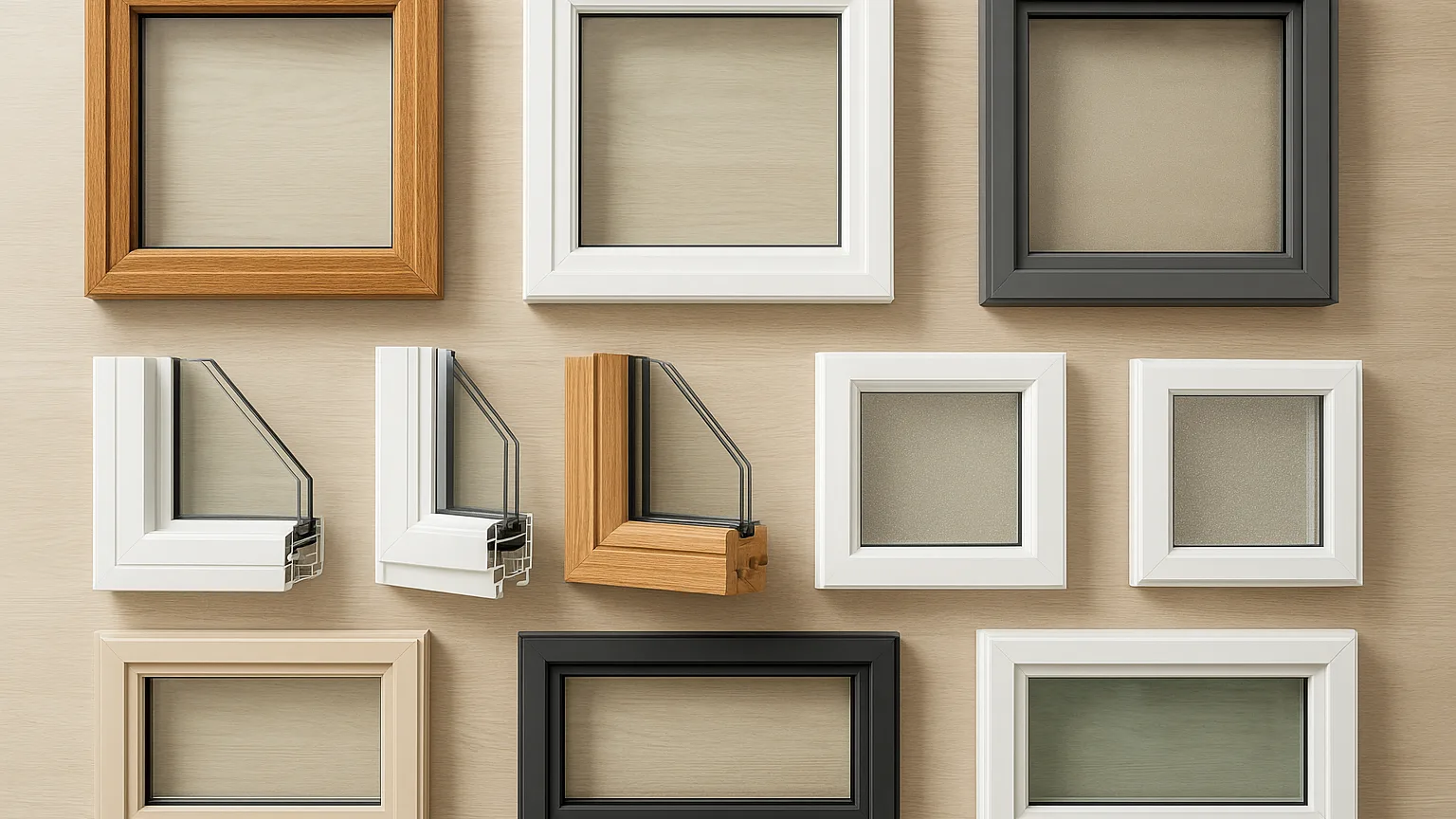
Once you stop buying one spec for the whole home, the shopping gets easier and usually cheaper. You put the expensive glass where the sun is, and you spend that savings on the rooms where it matters less.
- West bedroom: casement or single hung with the lowest SHGC glass available. Casements seal tight and scoop evening air when you crank them open. Keep the glass area modest.
- West living room with a wall of glass: low SHGC picture window flanked by two operable units. The picture glass keeps the view, the flankers give you airflow.
- Southwest great room: low SHGC package plus exterior shade if you have none. Glass alone will not win a corner room with two hot exposures.
- East kitchen or nook: slider or awning window. Morning heat fades on its own, and you will use that opening more than you think.
- North office: larger picture or double hung. Spend on frame quality and glass clarity, not on solar coatings you cannot feel.
- Bathrooms on any wall: obscure or frosted glass with an awning sash. Privacy plus venting, and heat gain is minor in a small room.
- Bonus room over the garage: treat it as the hardest room in the house. Best glass, tightest frame, and check the attic insulation above it while you are there.
What Interior Treatments Can and Cannot Fix
Blinds and shades help with glare and privacy far more than with heat. Once sunlight passes the glass, that energy is already inside your room, and a fabric panel just holds some of it near the window. That said, a big west facing picture window still needs an interior plan, and comparing blinds or shades for picture windows changes how much afternoon light lands on your TV screen.
Style choice gets even riskier when a home sits empty through the hottest months, which is why window style snowbirds regret installing almost always traces back to a spec chosen for a cooler climate. What works beautifully in Michigan can warp, bind, or bake in Tucson.
Your House Has Four Different Climates
The hot room in your home is not a mystery and it is not a mechanical failure. It is geometry. Low afternoon sun, unshaded glass, a heat conducting frame, and a peak load hour all arrive together on the west side of the house, and no amount of vent balancing will out muscle that combination. Run the 5 p.m. test, write down the glass temperature and the vent temperature, and you will know within minutes whether you have an AC problem or a window problem.
From there, the strategy is simple. Match each opening to the sun it actually sees. Put your lowest SHGC glass and best frame on the west and southwest, lean on overhangs to the south, buy for comfort and airflow to the east, and buy for view and quality to the north. One quote, four different specs. That is how a home in Phoenix or Tucson finally reads the same temperature in every room at five o'clock in August, and how you stop paying to cool a room that was never going to cooperate.
To request a free estimate on Windows replacement, Sliding glass doors or french doors, call us today!

Get An Instant Quote!
We’ll deliver Your Custom Quote Within 24 Hours!