
The Operable Window That Fails Every Arizona Summer
Sliders, single-hungs, casements or awnings? See which operable window survives haboobs, monsoon rain and an empty Arizona house all summer.
Every October, the same phone call comes in. A seasonal resident is back in Mesa, Chandler or Sun City after five months away. They unlock the front door and find a thin brown film on the tile, dust lines on the window sills, and a water stain under the living room glass. Nobody was home when it happened. Nobody knows exactly when.
Almost every time, the same window style is involved. Not the cheapest brand, not bad glass. It is the horizontal slider, sitting in a wall that faces the wind, closed but not sealed, waiting out a summer of 115 degree afternoons and 60 mile per hour dust walls.
Sliders are useful in the right spot. But if you leave an Arizona house empty from May to October, the way your windows open matters far more than most out-of-state buyers realize.
Why Snowbird Homes Fail Differently
A year round household catches problems early. Someone hears the whistle, sees the grit, feels the hot draft near the frame and calls someone. An empty house has no witness, so small failures compound for months. Three things work on a vacant Phoenix-area home between May and October:
- Heat cycling never stops. Frames expand in the afternoon and contract overnight, hundreds of times, with no relief.
- Dust arrives in waves. Monsoon haboobs push fine silt into any gap wider than a business card edge.
- Rain comes sideways. Storms drive water horizontally against the wall, not gently down onto it.
“The homes we get called back to are almost never a glass problem, they are a seal and drainage problem, and heat cycling is what breaks both,” says Marcos Villareal, senior installation specialist at Affordable Windows. That matters, because most buyers shop glass packages and barely ask how the window closes.
Brush Seals, Clogged Weep Holes and Brown Sills
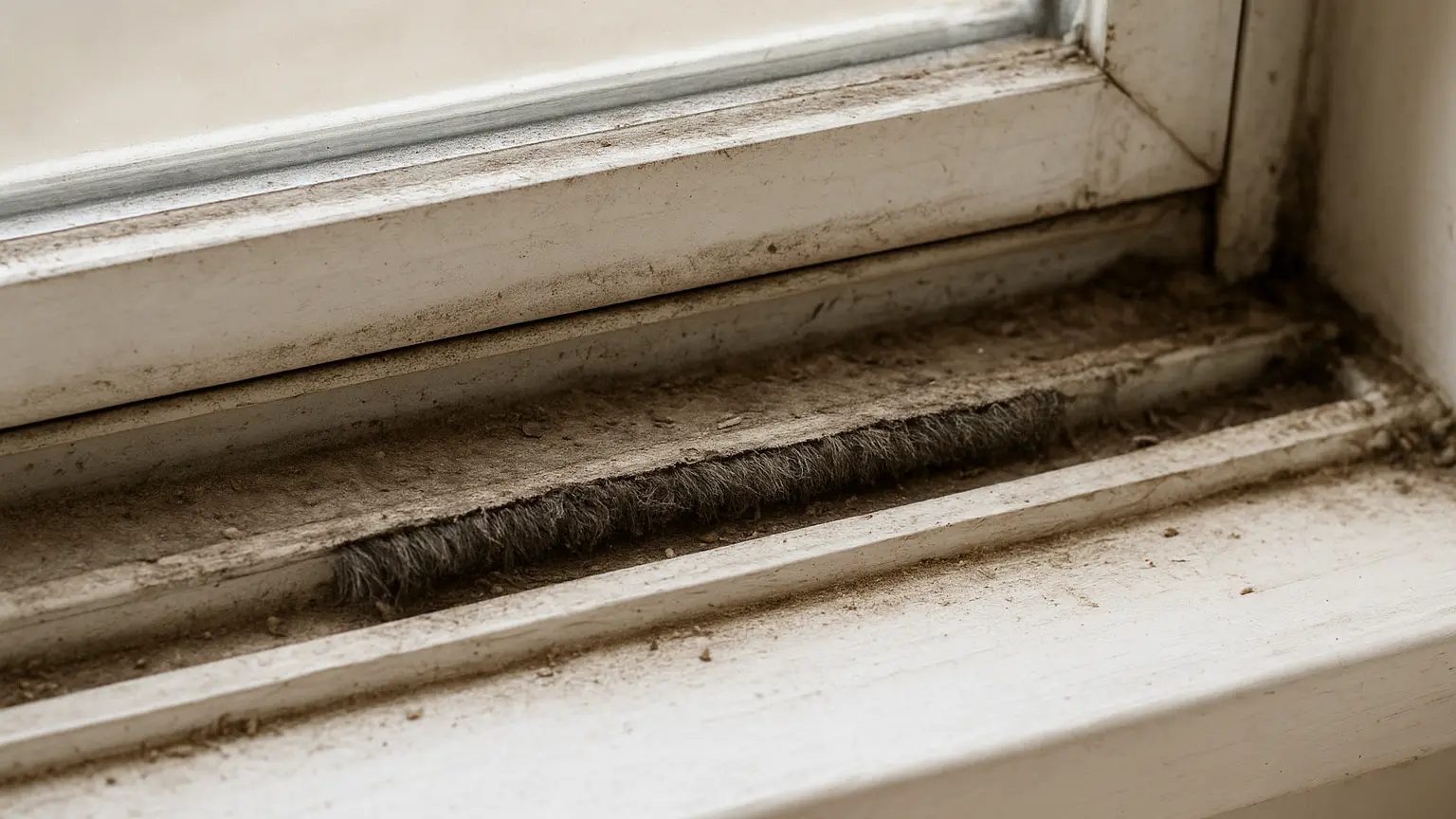
Sliding windows, horizontal and single-hung alike, seal with brush weatherstripping: a thin strip of fibers pressed against the frame. That brush has to stay soft enough to let the sash glide and tight enough to block air, and those two jobs fight each other. UV light and heat make the pile stiff and brittle, and sand acts like fine sandpaper on it. After a few summers the brush is shorter, harder and no longer touching the frame in every spot. Air moves through, and where air moves, dust follows.
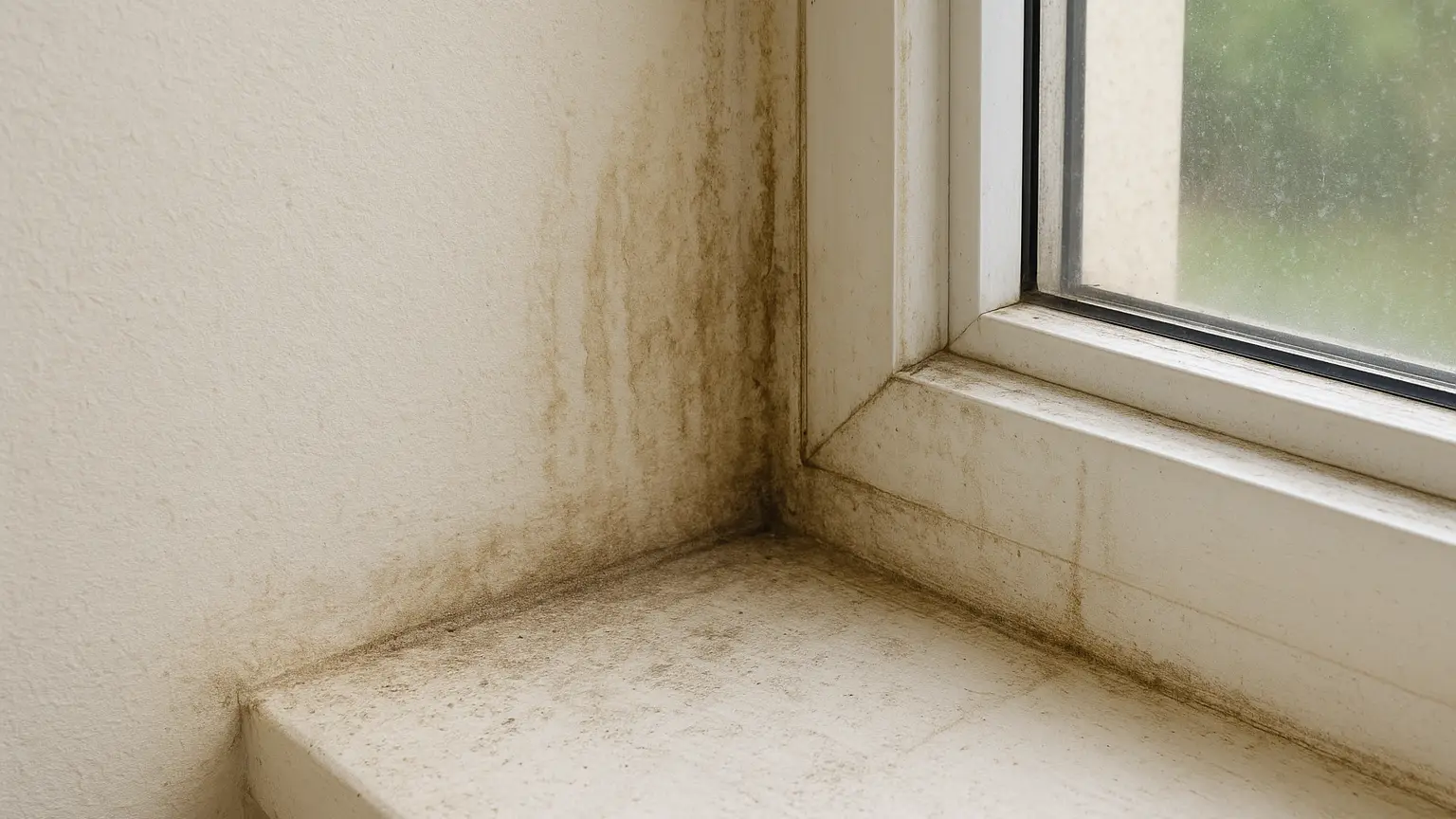
The bottom track makes it worse. A slider drains through weep holes in the sill, and those holes fill with silt, palm debris and dead insects. When a monsoon cell dumps an inch in twenty minutes, the track becomes a bathtub. Water rises above the sash bottom and finds the interior. That is the stain under your living room window, and it likely happened in July while you were in Minnesota.
Why Cranking a Sash Tight Changes the Math
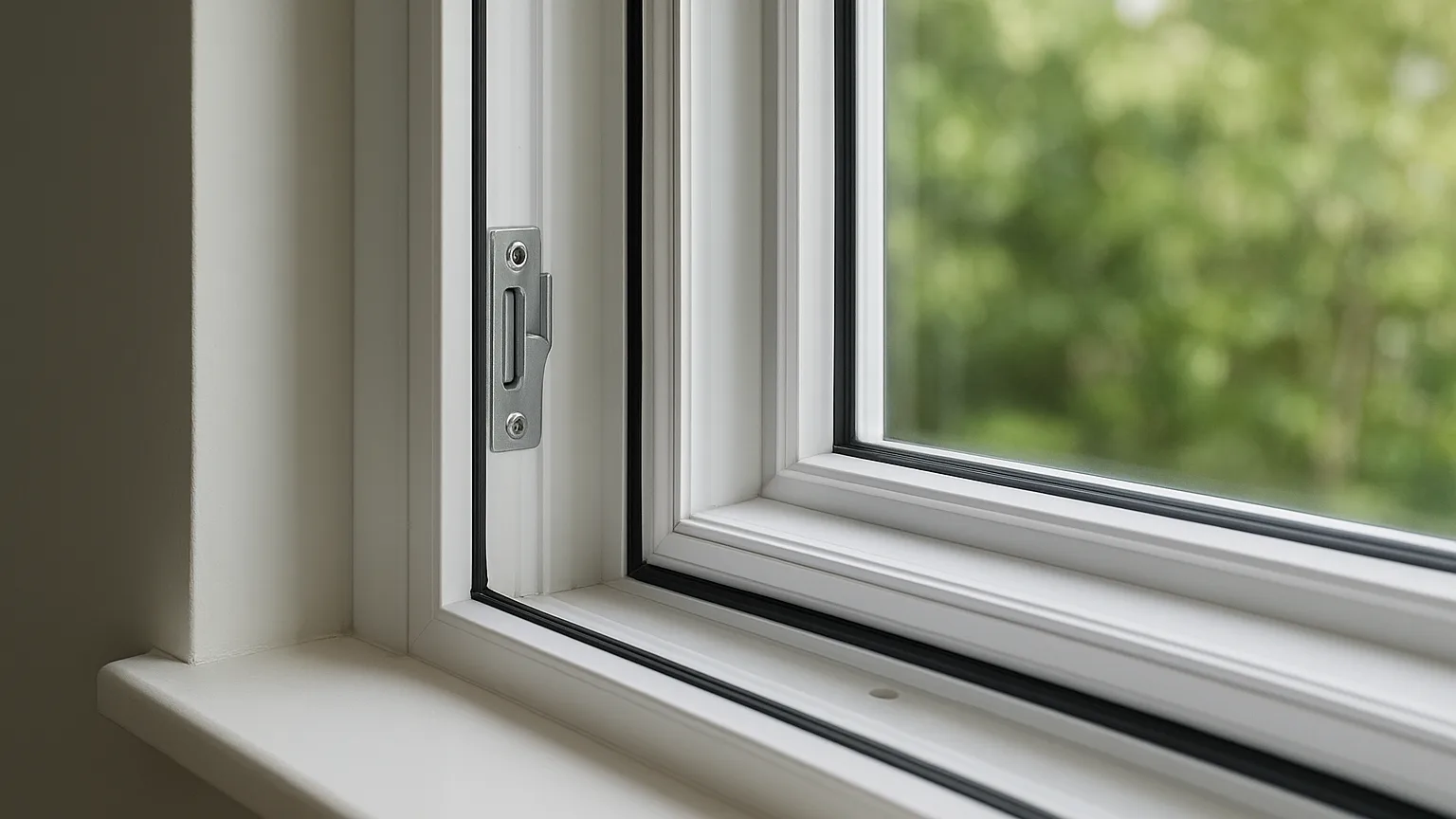
Casement and awning windows work on a completely different principle. The sash swings out, then cranks tight against a continuous gasket, and the lock does not just hold the window shut, it pulls the sash into the seal at multiple points. This is compression sealing, and it is the single biggest reason these styles outperform sliders in dusty, windy climates.
- Wind pressure helps instead of hurts. A haboob pushing on a closed casement presses the sash harder into its gasket. Wind on a slider tries to bow the sash away from the brush.
- There is no bottom track to clog. No standing water reservoir means no slow interior leak during a monsoon burst.
Where Each One Belongs
Casements swing out like a door and suit side walls, bedrooms and any opening where you want real airflow on a pleasant February morning. The whole opening clears, which also makes them the strongest choice for bedroom egress. Awnings hinge at the top and open outward from the bottom, forming a small roof over the opening, so you can leave them cracked in a light rain without water coming in. They are ideal above kitchen sinks, in bathrooms and laundry rooms, and as a high transom over a fixed picture window.
One honest caution: casements need clearance outside. If a window sits three feet from a block wall, a side yard walkway or a patio seating area, an out-swinging sash becomes a hazard and a nuisance. There an awning, or a fixed unit paired with a small operable elsewhere in the room, makes more sense. Matching the style to the wall is a big part of why climate smart window solutions look different from house to house even on the same street.
Single-Hung Versus Slider: The Lesser Evil
If your home already has sliders and casements are not in the budget everywhere, know that not all sliding styles are equal. A single-hung slides vertically, with only the bottom sash moving. Its sill still has a track, but the moving joint sits higher off the surface where water pools, and the shorter track carries a lighter debris load. A horizontal slider, especially a wide three-panel unit, has the longest bottom track, the most weatherstripping, the most weep holes and the most rollers. Every one is a point of failure, and wide sliders in a windward wall are the number one source of the dust film complaints we hear each fall.
Double-hungs are sold heavily to transplants who recognize the look. In practice, the second moving sash doubles the seal length and adds another balance system to fail in heat, and few Arizona homeowners ever use the top sash. It is more mechanism for no local benefit.
Heat Cycling and the Frames That Survive It
Style is half the answer; frame material decides whether that style holds up. Vinyl and aluminum expand at different rates than glass, and Arizona swings a wall surface from 90 degrees at dawn to 160 degrees at four in the afternoon. Thin, hollow, poorly reinforced frames bow. On a slider, a bowed sash pulls away from the brush in the middle. On a casement, the multipoint lock still holds the ends and center tight, so small movement does not become a gap.
What to look for regardless of style:
- Multi-chambered vinyl or thermally broken aluminum, not thin single-wall extrusions
- Welded corners rather than screwed and caulked joints
- Metal reinforcement in any sash wider than about four feet
- Dual EPDM or silicone gaskets instead of foam tape
- Stainless or coated hardware, since plain steel corrodes where sweat and dust mix
Frame performance and glass performance are separate purchases, which is why a home can have a perfect low-E package and still cook, and it shows up fastest in the rooms where west-facing rooms fail every summer gets blamed on the glass alone.
Thirty Minutes in April That Save the Summer
You do not need new windows to reduce summer damage. You need thirty minutes in April, before the last flight out.
- Vacuum every bottom track and poke the weep holes clear with a plastic zip tie. Confirm water poured into the track actually drains out.
- Press the brush strip with a fingernail. If it feels like a wire bristle instead of a paintbrush, it stopped sealing a while ago.
- Lock everything, including windows you never open. On casements and awnings the lock is the seal. On sliders it removes sash play.
- Test for gaps with a dollar bill. Shut it in the frame and pull. If it slides out easily, air and dust move there too.
- Close blinds and drapes on west and south glass. Interior heat load with no air conditioning cycling is brutal on seals and finishes.
- Photograph each sill. A clean baseline photo makes October damage obvious and easier to document.
What Homeowners Learn the Hard Way
“Snowbirds tend to replace the window that looks worst, but the one that leaked is usually the one they never open,” says Denise Karcher, a Valley home inspector. Unused windows lose the small benefit of being worked, so debris compacts, rollers seize and gaskets take a set they never recover from.
There is a design lesson underneath all this. Homes here perform better with fewer, better placed operable windows rather than a wall of sliders. A large fixed picture unit with strong shading and one well built casement or awning beside it gives you ventilation, better sealing and less to maintain. Fixed glass has no moving seal at all, and pairing it with the right coating matters as much as the frame when glass coating mistake melting enters the picture.
Coming Home to a House That Behaved Itself
The window style snowbirds regret is the wide horizontal slider on a windward wall. It seals with a brush that Arizona sun hardens, drains through holes that Arizona dust plugs, and relies on a sash that Arizona heat can bow. None of those failures announce themselves. They quietly let in silt and monsoon water across five unsupervised months, then present the bill in the fall. Single-hungs are a step better. Casements and awnings, with their compression gaskets and multipoint locks, are in a different category entirely, because wind and heat push them tighter instead of prying them open.
Choose by wall, not by habit. Put casements where there is swing clearance and you want real airflow, awnings where rain and privacy matter, fixed glass where the view is the whole point, and sliders only where nothing else fits. Back that up with a reinforced multi-chamber frame, welded corners, real gaskets and a thirty minute April walkthrough. Do that and the next time you unlock the door in October, the tile will be clean, the sills will be dry, and the house will look exactly the way you left it.
To request a free estimate on Windows replacement, Sliding glass doors or french doors, call us today!

Get An Instant Quote!
We’ll deliver Your Custom Quote Within 24 Hours!